
The best thing about a neighbourhood is rarely the houses — it is the people, once somebody starts the thread. This hub holds the honest, practical basics of community and neighbourhood life: a neighbourhood meetup cost planner, kids playgroup cost per child, the real value of volunteering time, tool library break-even maths, local business support scores, street party cost sharing, 72-hour emergency kit budgets and community fundraising maths — plus warm plain-language guides for welcoming newcomers, noticeboard etiquette, community newsletters, community garden basics, teaching a skills workshop, resolving neighbour disputes kindly, neighbourhood watch, public meetings and leaving a community well. Local-flavoured examples throughout, with a standing reminder to check your local council, because rules and permits vary. Educational only and never legal advice — every tool says so. Free instantly; the full personalised report costs less than a coffee: $2.95.
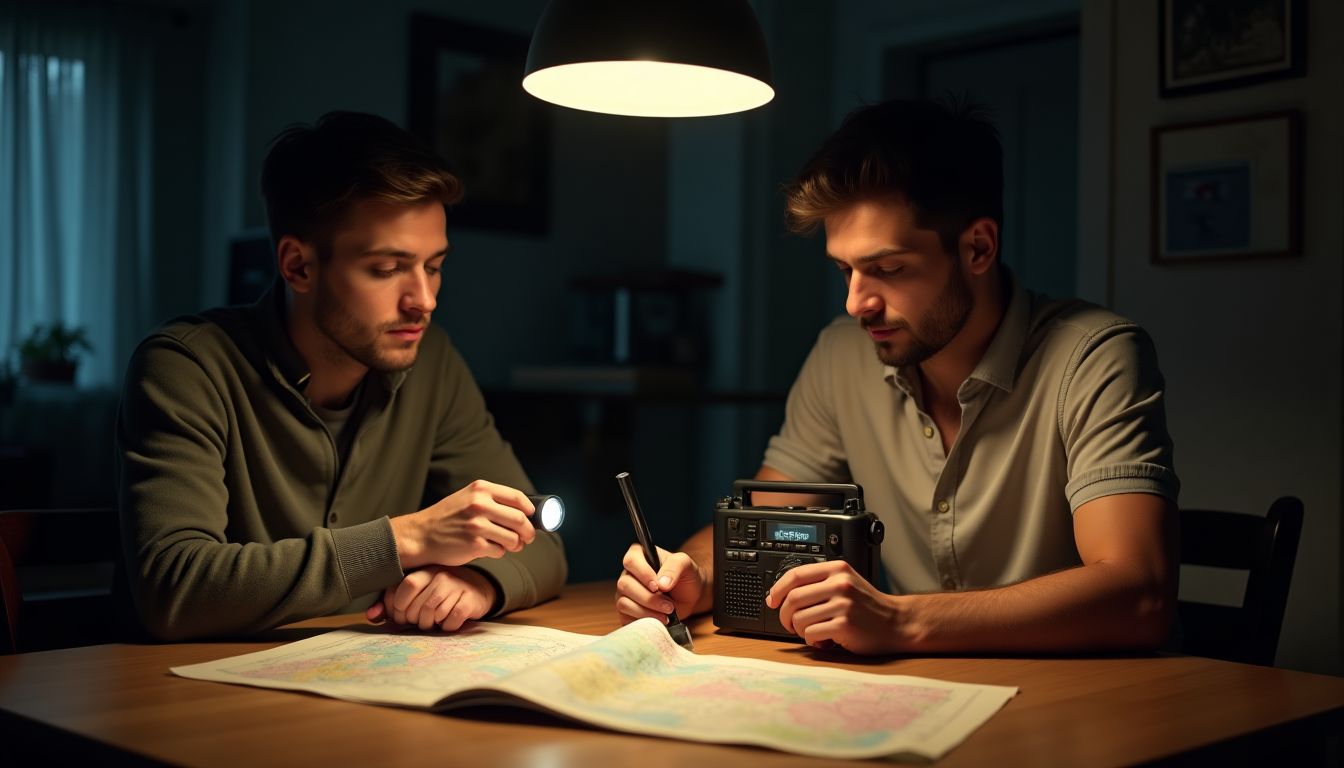
In an earthquake, storm or flood, the help that arrives first comes from next door — which makes neighbourhood preparedness a street conversation, not just a shopping list. This tool starts with the honest budget maths: what a 72-hour kit costs per person (water, no-cook food, torch, radio, first aid, medications, toiletries) plus the household extras, compared against what you can spend now, with a verdict that shows the build path when the budget is tight. The guide carries the civil-defence basics NZ is rightly famous for — nine litres of water per person, three days of food that needs no cooking, a twice-yearly clock-change check — and the neighbourhood layer: mapping which neighbours have first-aid skills, tools, a generator or limited mobility, because knowing the street is preparedness in its own right. Educational basics; for official guidance it points to getready.govt.nz.
What a 72-hour household emergency kit honestly costs per person, what goes in it, and how neighbours who plan together stay safer — civil-defence basics with a real budget check, from a country that takes 'be ready for three days' seriously.
An honest per-person kit bought new typically lands in the roughly NZ$80-130 range — the calculator prices it at about $110 per person plus household extras, so a family of four is around $485. Built gradually, it costs far less, and even a partial kit beats no kit.
Being ready to cope on your own for at least three days: at least nine litres of water per person, food that needs no cooking, a torch, a radio, first-aid supplies, medications and a plan for pets. Official guidance lives at getready.govt.nz.
Because in a real event, help arrives from next door long before official services can. Knowing which neighbours have first-aid skills, tools, a generator, extra water or limited mobility turns a street of individuals into a street that copes — that conversation is preparedness in its own right.
Every tool answers instantly from our own knowledge and calculators — no AI wait, no account. Honest, practical community-life basics, always educational and never a guarantee of outcomes: a neighbourhood meetup cost planner, kids playgroup cost per child, volunteering time value, tool library membership break-even, local business support scores, street party cost sharing, a 72-hour emergency kit budget and community fundraising maths, alongside guides for welcoming newcomers, noticeboard etiquette, community newsletters, community garden basics, teaching a skills workshop, resolving neighbour disputes kindly, neighbourhood watch, public meetings and leaving a community well. Each tool states its limits plainly: we are not a council, a mediation service or a lawyer, local rules and permits vary, and nothing you type is stored. Results are estimates and learning aids, not professional advice. Want the deeper, personalised version? Each has a $2.95 full report.